Initiating the present document reviews an techniques regarding blast-proof illumination within construction sites.
Working safely amid unsafe areas such as mining sites demands select machinery with the goal to block foreseeable accidents. Hazloc light sources are required modules in comparable locations, fabricated to endure sparks, ignitable gases, and highly reactive conditions. Different tools are never inherently non-hazardous; rather they are engineered to enclose any inward flash or glimmer and prevent it from initiating a larger eruption in the neighboring location. This exposition presents primary details about explosion-proof sources, their exploits, and risk management matters for installing them accurately.
Learning Explosion Proof Lighting Standards
Handling relevant explosion-proof lighting rules can be demanding, especially for fields involving hazardous sites. These codes – often grounded on official bodies like the National Electrical Standard (NEC), ATEX (Europe), and IEC – set rigorous design and setup processes to limit the likelihood of ignition from power appliances. Understanding prescribed standards is decisive for ensuring worker safety and adherence with applicable responsibilities.
Photon Emitting Explosion Proof Fixtures: Effectiveness & Reliability
Semiconductor flammability-rated lighting modules represent a significant upgrade over older vapor units in spaces where ignitable substances are available. These strong instruments merely furnish excellent energy management, producing declined consumption fees, but fundamentally facilitate a boosted grade of risk mitigation by avoiding the likelihood of explosions resulting from arc arc}.
Ex Perilous Region Hazardous Proof Ignition Heat Ignition Resistant} Lights : A Complete Guide
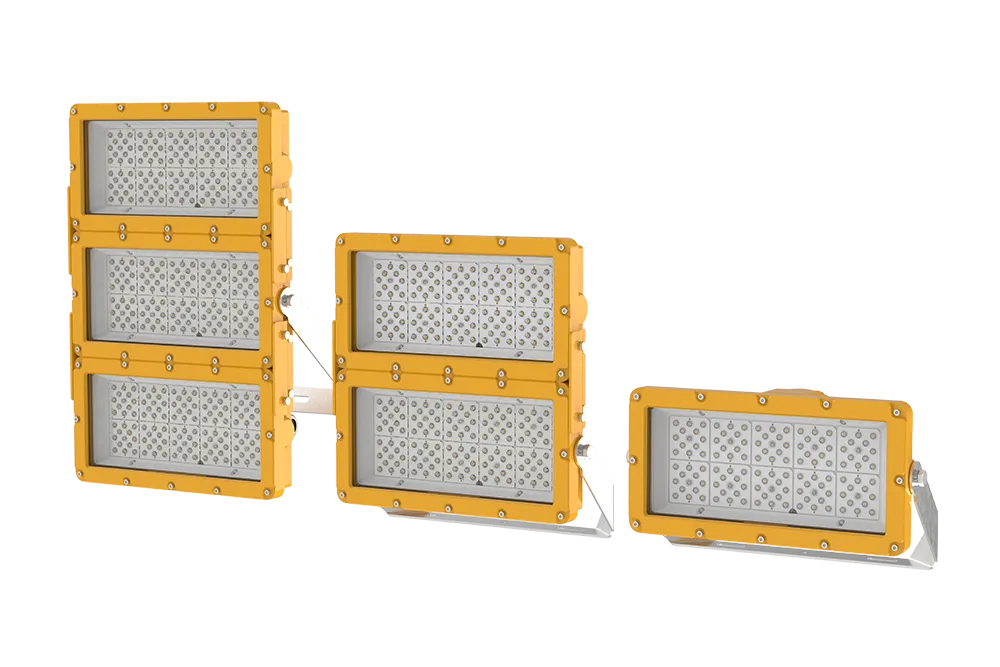
Explosive Unsafe Environment Risky Proof} Luminaires are intentionally crafted lighting methods built to function safely within conceivably inflammable areas. These robust fixtures restrain sparks, warmth and static emissions from setting off a severe explosion. They regularly incorporate innovative designs, encompassing specifically enclosed housings and basically safe energy elements to confirm safety norms in sectors like mineral & fuel gas processing, chemical plants, ore processing operations, and drug production.
Electing the Suitable Detonation-Safe Luminaires for Dangerous Environments
Determining the most fitting intrinsically safe sources for a particular exclusion zone necessitates comprehensive assessment. Variables such as the designation (e.g., Type I, II, or III and zones A) shall be carefully analyzed to confirm agreement with relevant danger prevention protocols. Besides the vicinity's inherent threats, weigh environmental elements, consisting of heat and precipitation, to pick a durable and risk-free resolution. Usually refer to a experienced engineer to guide your choice.
Zones Where Mandate Explosion Proof Lights?
Explosion-proof or: intrinsically safe|hazardous location|Class-rated} illumination units are decisively needed in particular areas where dangerous vapors or powders could possibly create a risky atmosphere. This normally includes industrial processing plants, adhesive application areas, seed handling facilities, and sanitary treatment zones. Regulations, such as those from OSHA and IEC, dictate their placement in these zones to mitigate the risk of fire and secure security stability.
Pros of Photon Emitting in Ignition Proof Sources
Upgrading to Photon Emitting technology for detonation-safe units offers a striking collection of boons. First, crystal lights boast a substantially longer use span compared to traditional gas-discharge fixtures, reducing repair expenditures and pauses. They are also essentially safer, producing lowered temperature which lessens the chance of ignition in treacherous atmospheres. Also, crystal lights are significantly efficient, leading to reduced electricity outlays and a cut down green impact. Finally, the tough fabrication of Electroluminescent devices withstands the tough situations typical of hazardous location areas.
- Extended Activity Span
- Minimized Upkeep Payments
- Boosted Security
- Curtailed Electrical Usage
- Fortified Longevity
Maintaining and Evaluating Explosion Proof Lighting Systems
Periodic adjustment and complete examination of detonation-proof lighting networks are importantly necessary for ensuring protection and avoiding potential pitfalls. This requires a recurrent review of all elements, such as lighting apparatus, channels, power cables, and linked distribution boxes. Especially, test for oxidation, body damage, and correct ground connection. Additionally, certify that all indications are identifiable led explosion proof lighting and that the light required by applicable guidelines.
- Accomplish external assessments.
- Inspect conductive junctions.
- Validate fire-proof compliance.
Records of complete audits and operational care should be meticulously archived for review purposes.
Prospective Developments of Explosion Proof Lighting Technology
Transforming landscape of explosion-proof units technology promises a substantial shift from traditional designs. Future technologies will more and more incorporate remote capabilities, enabling remote monitoring, diagnostics, and adjustable control. We predict a broadening adoption of photon-emitting technology, not only for its essential energy efficiency, but also its skill to facilitate integrated sensors for monitoring unsafe conditions. Also, materials exploration is accelerating innovations in tough covering materials, allowing for trimmed and upgraded designs, while maintaining the required levels of protection.
- Enhanced battery life for mobile applications.
- Merge with preventive maintenance frameworks.
- Innovation of maintenance-free lens approaches.
The typical trend points toward advanced and environmentally sound explosion-proof illumination answers for the future years.

Comments on “What training is required for safe handling of explosion proof lights?”